



Dreaming of eternal life? The founder of the Future of Humanity Institute thinks AI could help.
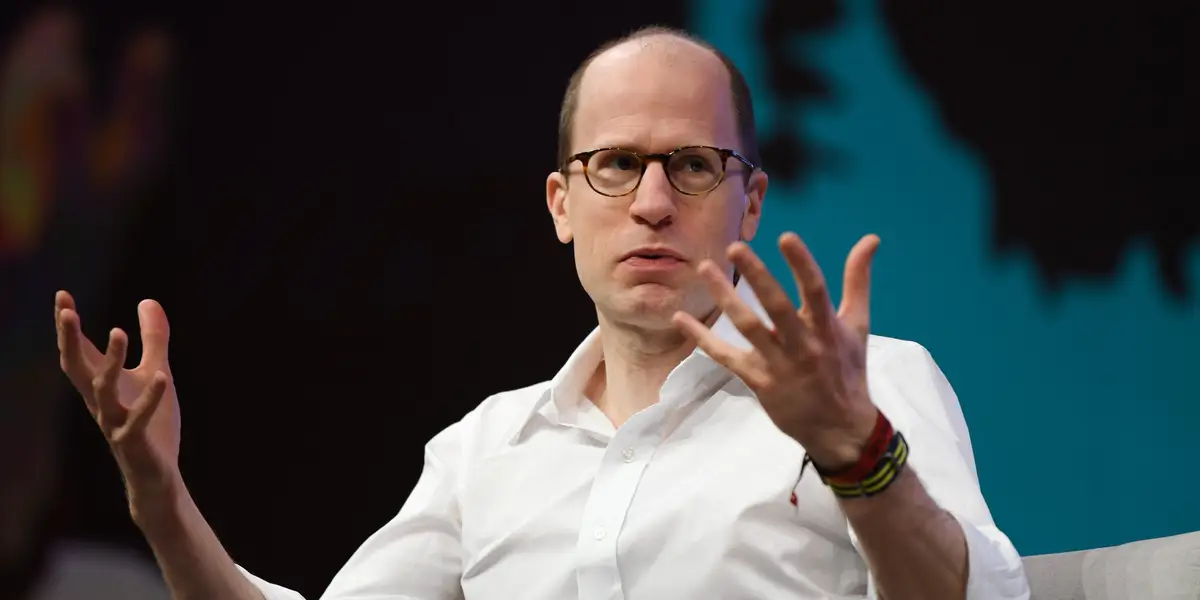
Nick Bostrom, a Swedish philosopher and former Oxford professor, said on an episode of the A16z show released on Thursday that humans could one day live for more than a millennium if AI could unlock breakthroughs in biomedicine and antiaging research that radically extend human lifespans.
“If you think about what our life expectancy would be if we weren’t aging, it’s something on the order of, you know, 1,200, maybe 1,400 years or so,” Bostrom said.
“And that maybe is quite a conservative lower bound, because in this situation you might also have other ways of reducing other mortality risks, like accidents and so forth,” he added.
Bostrom studies human enhancement and emerging technologies. At Oxford, he founded the Future of Humanity Institute in 2005 as a multidisciplinary research group, which eventually closed down in 2024.
Bostrom’s comments come as AI safety has become an increasingly debated topic, with many researchers calling for AI development to be slowed to address alignment issues and to establish proper guardrails to keep advanced AI aligned with human interests.
Bostrom said the trade-off between developing AI quickly and ensuring its safety is complicated.
“I think that’s only one of many different considerations that would come into an all things considered evaluation here,” he said. “On the one hand, you might think that if you took some extra time with this AI transition, maybe we could build AI more safely.”
“So you might think that if we spend more time doing AI alignment research, the existential risk from developing AI goes down at some rate,” Bostrom added. “And then on the other hand, every year that we delay it, we have millions and millions of people dying.”