



Alex Harman was on the last stretch of his trek to the top of Mount Kilimanjaro in Tanzania when he stopped on a steep part of the mountain. He had gone to bed at 3 p.m. the day before and set his alarm for midnight to start hiking early.
Now the sun was coming up, so he stopped to have a snack and take in the view, alongside around 30 of his McKinsey colleagues, before continuing on to the summit.
“The top was great,” he said, “but that moment there where we all stopped and just watched the sunrise was very cool.”
Harman, an AI product manager at McKinsey based in London, co-founded Mind Over Mountains, an employee-run initiative that gathers colleagues from around the world for a multi-day backpacking trip while raising money for charity.
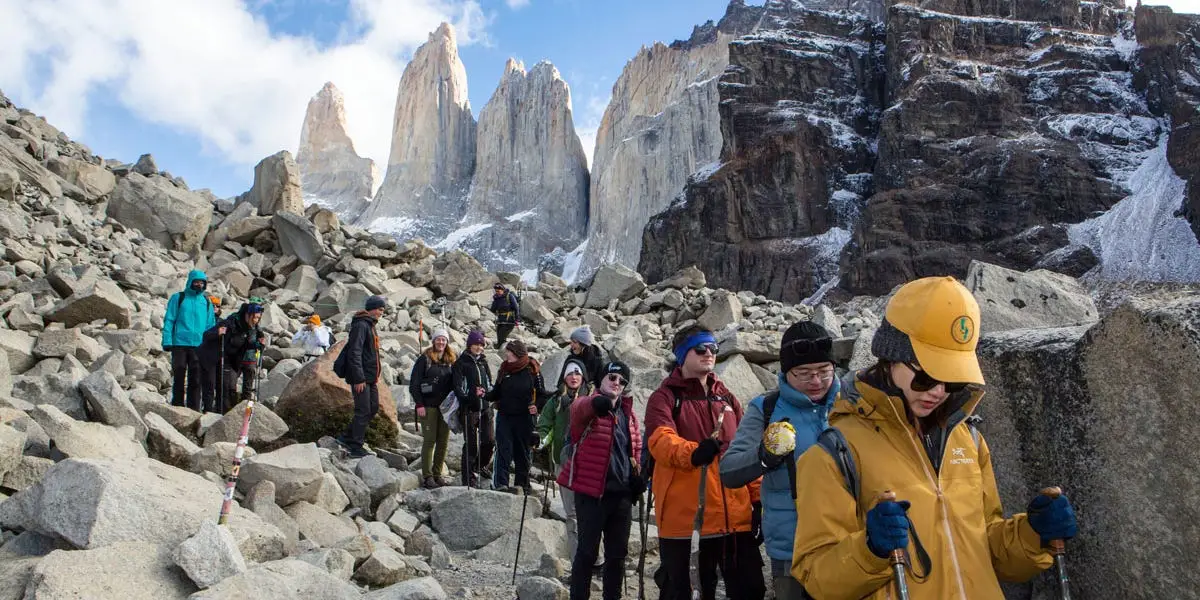
It started with the Kilimanjaro trip in 2023 and continued with about 65 colleagues on a trek through Patagonia in 2025. This year, 100 McKinsey employees are heading to the Peaks of the Balkans in September for an eight-day hike spanning about 62 miles, or 100 km, all coinciding with the elite management consulting firm’s 100-year anniversary.

Alex Harman
The trips bring together McKinsey colleagues of all ages, experience levels, and roles, ranging from senior partners to entry-level analysts. Anyone from the firm’s 40,000-person workforce can sign up. They are not official McKinsey retreats.
Employees organize them with the help of hired tour vendors and pay the full cost to attend. The Balkans trip will cost each attendee about $1,000, excluding airfare. No prior backpacking experience is required, and spots are available on a first-come, first-served basis, with demand growing each year.
“We filled 100 spaces in three hours,” Harman said of the coming Balkans trip, adding they were “pretty blown away by the participation” and had to create a long waitlist.
For participants, the appeal is not just the destination. They described the treks as a rare chance to fully disconnect from work, spend hours with colleagues they might otherwise know only through Zoom or email, and temporarily leave office dynamics behind.
Seniority doesn’t matter on the trail
Coordinating a backpacking trip for 100 people is no small task. Harman said a great deal of work goes into vetting and hiring local guides and vendors, adding he felt a “great deal of pressure” planning the Balkans trip. Organizing a weekend for friends is one thing, he said, but if you plan a trip for 100 McKinsey employees, “they’ll notice everything, and they’ll want it a certain way.”

Alex Harman
While on the trip, the days typically consist of breakfast, hiking — which includes some solo time as well as walking and talking with someone new — and a group dinner at the campsite.
“When you first walk next to someone, you have no idea what they do,” Ting Cui, a principal product manager in London who went on the Patagonia trip, told Business Insider. “There’s no way to know if they’re a partner or if they’re a business analyst. And obviously on the trail, it doesn’t really matter where your seniority is.”
Cui, who is also going to the Balkans, said she went into Patagonia not knowing the vast majority of the people on the trip, but that everyone gelled smoothly, which she thinks is a tribute to McKinsey’s culture across its offices. She went away from the trip with lasting friendships. One colleague in New York who she bonded with on the trip ended up spending Christmas with her family.

Ting Cui
Ricardo Moya Quiroga, a partner and COO counselor in McKinsey’s Berlin office, also went on the Patagonia hike last year and is heading to the Balkans in September. He said he initially signed up to bond with McKinsey colleagues, raise money for charity, and for a personal detox. He turned off his phone and took a break from work and emails for the full five days.
“I was asking myself who I am, and the answer that came is: ‘I am a grandpa, I am a husband, and I am a son.’ Very clearly. It came spontaneously,” he said, describing a moment on the trip when he decided to write a letter to himself. Since returning, he said he’s been much more conscious of how he spends his time and said it was one of his greatest takeaways from the experience, along with connecting with colleagues and raising money for charity.

Ricardo Moya-Quiroga
The trips can be hard, but they’re worth it
The trips can be physically challenging, and things don’t always go exactly according to plan. In Patagonia, Cui said one participant hurt his ankle and was limping toward the end of the day, but colleagues who had only recently met him stepped up and helped him reach camp.
On the Kilimanjaro trek, one of Harman’s cofounders unexpectedly got blisters in a pair of boots that he’d hiked in plenty of times before. He borrowed Harman’s Crocs and hiked in them up steep and sketchy terrain for a couple of days before finally deciding to cut the top part of his hiking boots off, the part that was causing the blisters, and wear those for the rest of the way.
Harman said that while the hiking itself is rewarding, raising money for good causes and connecting with people at work on a different level make the trips worthwhile. For the 2025 Patagonia trip, the group raised over $115,000 for mental health charities and hopes to raise another six-figure sum this year.

Alex Harman
He said planning the trips has also been rewarding from an entrepreneurial perspective, which to him means “go do some cool stuff that no one asked you to do.” He hopes the trips continue, even if he leaves McKinsey, and thinks others who are interested should start something similar at their companies, too.
“There will always be a bunch of corporate red tape. There will always be people who are worried,” he said, adding that as long as your company appreciates an entrepreneurial drive, anyone could do it.
“No one’s going to ask you to go do this,” he said. “So just go do it and see how it lands.”