Can money buy happiness?
Elon Musk revived the age-old question this week with a bleak take of his own.
“Whoever said ‘money can’t buy happiness’ really knew what they were talking about,” the billionaire CEO wrote on X on Thursday with a sad-face emoji.
The post quickly went viral, racking up more than 92.8 million views and sparking reactions about whether wealth actually improves life.
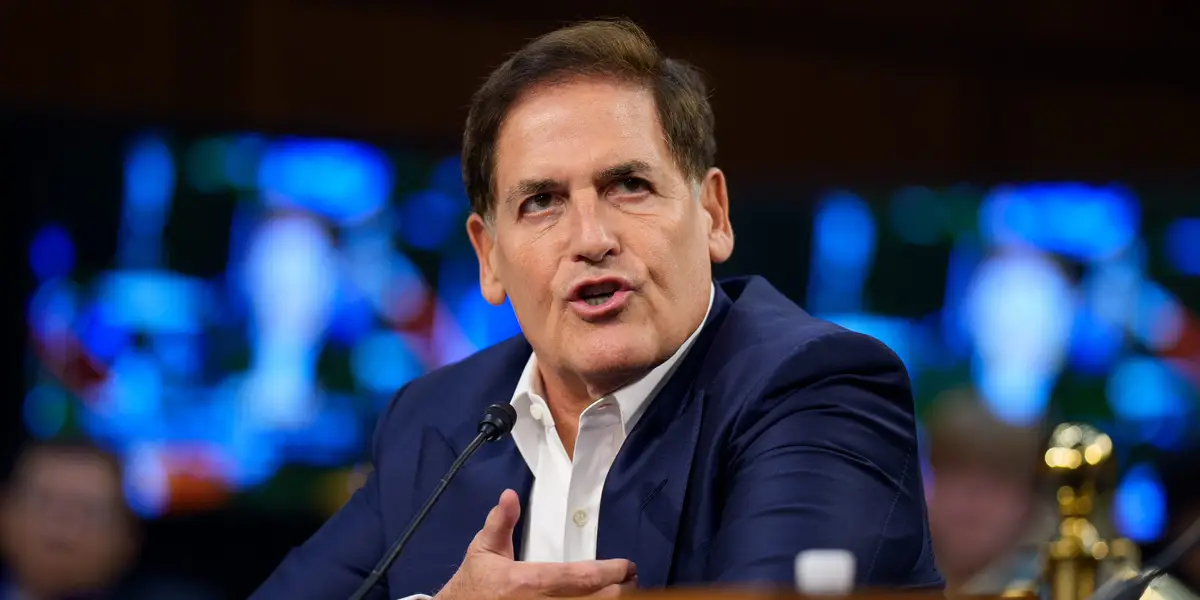
Fellow billionaire Mark Cuban pushed back against it, offering a blunt counterpoint: Money doesn’t change who you are — it just amplifies it.
“If you were happy when you were poor, you will be insanely happy if you get rich,” Cuban wrote in a reply to Musk’s post later on Thursday. “If you were miserable, you will stay miserable, just with a lot less financial stress.”
Cuban’s point cuts against the idea that wealth itself is a cure-all for dissatisfaction — and he’s speaking from experience, ranking 372nd on the Bloomberg Billionaires Index with an estimated net worth of $9.62 billion as of Friday.
The science of happiness
Academic research shows there’s only so much wealth can do to boost happiness.
David Bartram, an associate professor of sociology at the University of Leicester, told Business Insider’s Roya Shahidi on Thursday that while wealth and happiness are linked, the relationship comes with sharply diminishing returns.
“Once you’ve got a few million, anything extra is meaningless for happiness,” Bartram said.
For the ultrawealthy, he added, happiness is more likely to come from a sense of purpose — “having a sense that you’ve done some good in the world, and that you’ve treated people around you with care and kindness.”
Other research suggests the income-happiness link may stretch further than previously thought, though not without caveats.
A 2021 study by Matthew Killingsworth, a senior fellow at the Wharton School, found that happiness and well-being continued to rise alongside income.
But in a follow-up paper published in 2024, Killingsworth concluded that the amount of money needed to feel happier becomes an ever-moving target.
His data did not directly examine millionaires or billionaires, though Killingsworth said it was “plausible” the trend could extend to the world’s wealthiest.
Musk himself has made similar arguments in the past. In a November appearance on Nikhil Kamath’s “People by WTF” podcast, he said the pursuit of money alone was unlikely to bring fulfillment.
“Aim to make more than you take. Be a net contributor to society,” Musk said, adding that wealth tends to follow naturally when people focus on building useful products and services — rather than chasing money for its own sake.