




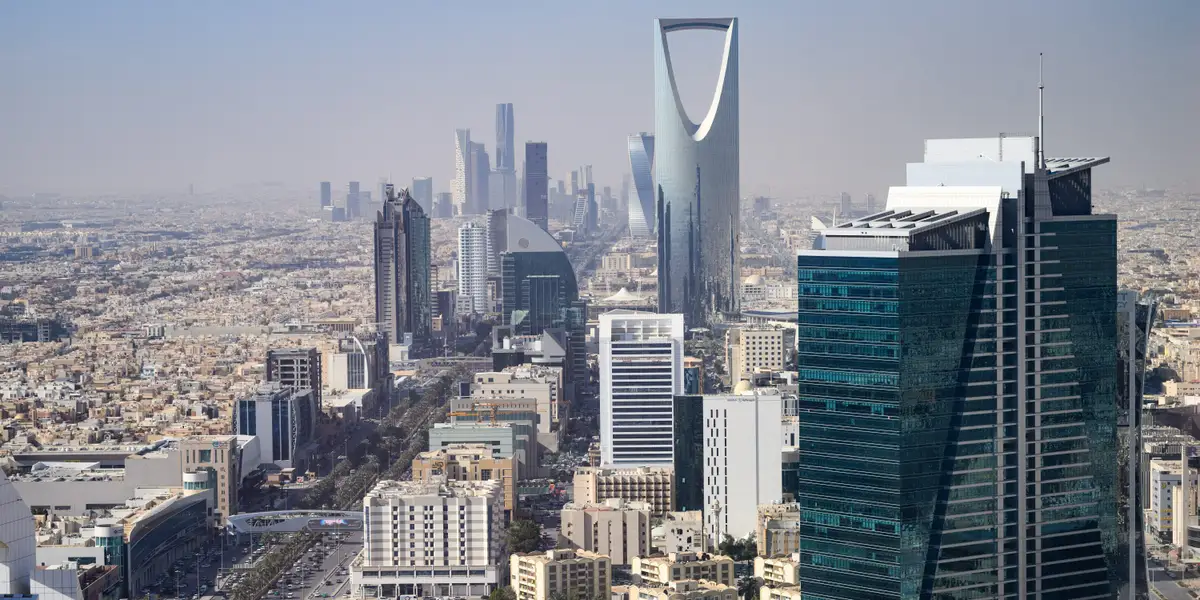
Travel to Saudi Arabia and the broader Middle East is looking increasingly unpredictable this fall after a series of Houthi attacks on airports, including in the capital, Riyadh.
The latest attacks killed 13 people and wounded hundreds last Saturday. Another strike the following day killed one person and injured about a dozen more.
Flights to and from Riyadh have been suspended all week, and while the airport is set to reopen on Sunday, this has yet to be confirmed.
The Houthis, an Iran-backed Yemeni militant group, control territory around the Bab el-Mandeb Strait, a key shipping route linking the Red Sea and the Gulf of Aden.
They have been attacking Saudi infrastructure amid an escalating regional conflict. Saudi Arabia has supported Yemen’s internationally recognized government in the country’s civil war, which began in 2014.
Many airplanes continue to fly over eastern Saudi Arabia, including on routes to hubs in Qatar and Dubai and onward to East Asia.
The US State Department told Americans to reconsider travel to Saudi Arabia because of the risk of missile and drone attacks, armed conflict, and terrorism. It also warned of “potential flight cancellations, airspace closures, and travel disruptions.”
The UK’s Foreign Office similarly says there is a heightened threat to airports and other infrastructure across Saudi Arabia, including Riyadh, Jeddah, and Abha.
On Monday, Delta Air Lines postponed the launch of its new Atlanta-to-Riyadh route, which had been due to begin on October 23, until March 2027.

Every time Pete publishes a story, you’ll get an alert straight to your inbox!
Stay connected to Pete and get more of their work as it publishes.
Want more Business Insider in your news feed?
Add BI in Google so our reporting is easier to find when you’re searching for what matters.
“Saudi Arabia remains an important market for Delta, and we are committed to serving the Kingdom for the long term,” the airline said.
It came after the Federal Aviation Administration warned US airlines on Sunday that the threats could pose risks during overflights, takeoffs, and landings in Saudi Arabia.
Osprey Flight Solutions, an aviation-risk company, said that unannounced missile launches through civilian airspace can pose a “latent hazard to flight operations at all altitudes,” including from a malfunctioning missile, debris, and sudden route diversions.
It also said further attacks on Saudi aviation and energy infrastructure are likely in the short term.
What should you do if your flight is canceled?
First, check your airline’s app or website before going to the airport. The flight may have been canceled or automatically rebooked.
Delta has issued a waiver for customers traveling to, from, or through Riyadh between October 23 and March 26. Eligible passengers can change their flight without paying a change fee, or cancel for a refund or credit. The rebooked trip must begin by May 31, 2027.
Other airlines may offer their own waivers, but the terms can differ.
It would be sensible to keep anything you would need for an unexpected overnight stay in your carry-on, including medication, a phone charger and power bank, toiletries, and a change of clothes.
You should also avoid tight self-booked connections.