




Uber wants advertisers to level up their marketing by tapping into data on the millions of rides and deliveries its users order every day.
The ride-hailing giant is announcing the launch of a new insights platform called Uber Intelligence on Monday, the company exclusively told Business Insider.
Launched in partnership with the data-connectivity platform LiveRamp, Uber Intelligence will let advertisers securely combine their customer data with Uber’s to help surface insights about their audiences, based on what they eat and where they travel.
It uses LiveRamp’s clean room technology, which lets companies aggregate their data in a privacy-safe environment, without sharing or seeing each other’s raw or personally identifiable customer information.
A hotel brand could use Uber Intelligence to help identify which restaurants or entertainment venues it might want to partner with for its loyalty program, for example.
Uber also hopes the platform can act as a flywheel for its broader ad business. Marketers can use the data clean room for segmentation, such as identifying customers who are heavy business travelers, then targeting them with ads on their next trip to the airport in the Uber app or on screens inside Uber cars.
“That seamlessness is why we’re so excited,” Edwin Wong, global head of measurement at Uber Advertising, told Business Insider in an interview. He added that the aim is for marketers to begin saying, “‘Oh, I’m not just understanding Uber, I’m understanding Uber in my marketing context.'”
Uber’s other route to revenue
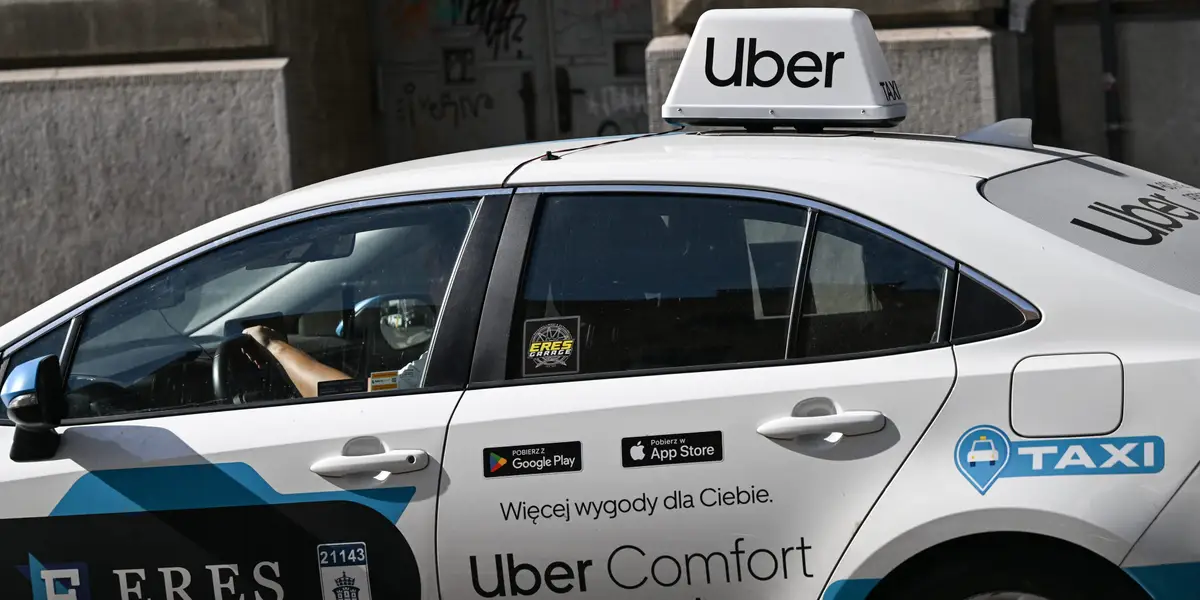
Uber Intelligence is the latest step in the evolution of Uber’s ad business. Uber officially launched its dedicated advertising division in 2022. It offers an array of ad formats in the Uber and Uber Eats apps, on in-car tablets, in emails to its users, and on car tops.
The company said in May that its ad business had reached a $1.5 billion revenue run rate — the figure it has projected to hit by the end of 2025 — which would represent a 60% increase on last year. The company doesn’t break out a more specific ad-revenue figure and hasn’t provided an update on the run-rate number since May.
Uber Intelligence forms part of a bespoke set of services it offers its top advertisers. Earlier this year, it launched a creative studio where brands can partner with Uber to deliver more bespoke campaigns, such as offering rides to Miami F1 Grand Prix attendees in a luxury vehicle sponsored by La Mer, packed with freebie skincare products.
Andrew Frank, analyst at the research firm Gartner, said the launch of Uber Intelligence is another signal that Uber’s ad business is maturing.
“Early-stage ad businesses tend to focus exclusively on selling inventory while more mature ones focus more on delivering differentiated value through targeting and measurement solutions that help brands understand and optimize the impact of their spend,” Frank told Business Insider.
Uber’s unique source of “terrestrial data” put it in good standing against the likes of Amazon, Google, and other retail media networks that emphasize the value of their data-driven insights, Frank added. However, he said Uber may need to address privacy concerns related to aggregating highly sensitive data in order to maintain consumer trust and to comply with evolving global regulators as a collector of first-party data.
Vihan Sharma, chief revenue officer of LiveRamp, said its platform provides technical guarantees to ensure “zero movement of data.”
“The whole objective of a clean room technology is to build trust between data owners and consumers and the advertising ecosystem,” Sharma said.