
- SpaceX ran its first Super Bowl ad on Sunday, promoting its Starlink internet service.
- It’s the first time any of Elon Musk’s companies have run an ad at the Super Bowl.
- Tesla and SpaceX have avoided traditional advertising in the past, but that is beginning to change.
SpaceX has made its Super Bowl debut ahead of a potential record-breaking IPO.
The rocket company ran its first Super Bowl ad for its Starlink satellite internet on Sunday, the first time any of Elon Musk’s companies have run an ad at the showpiece event.
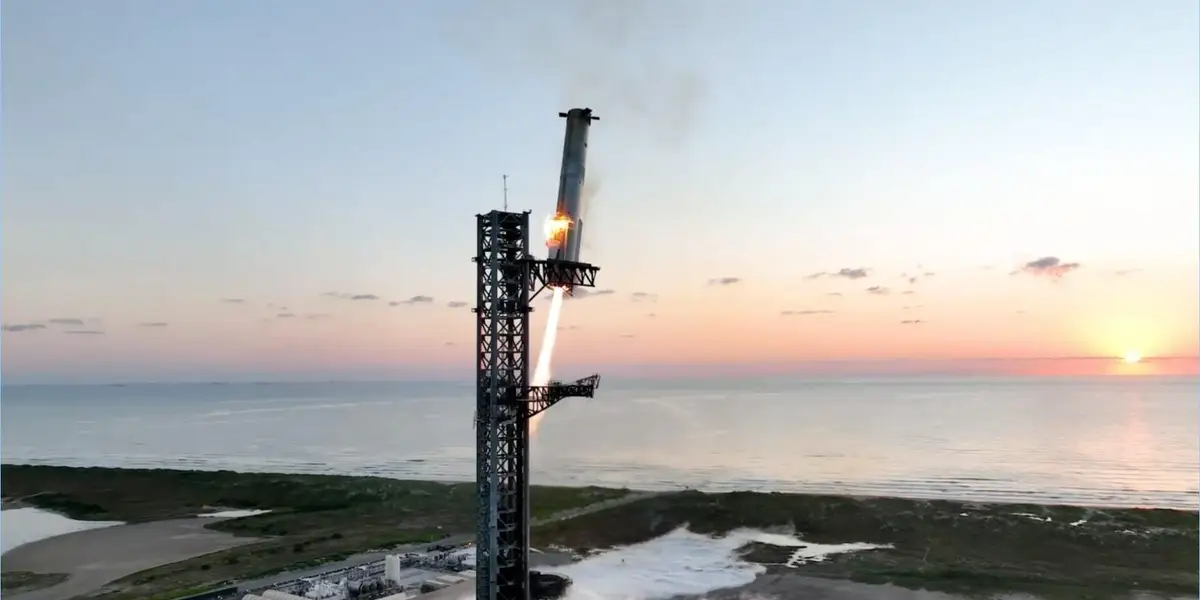
The 30-second spot features audio from a speech by legendary science-fiction author Arthur C. Clarke, set to footage of SpaceX’s Falcon 9 and Starship rocket boosters returning to Earth.
It shows Starlink operating in a series of remote locations and touts the satellite internet service’s mission of “fast, affordable internet, available everywhere.”
The ad marks a departure for Musk’s companies, which have in the past shunned advertising in favor of using the billionaire’s outspoken public persona for publicity.
Tesla reportedly laid off its entire marketing team during widespread workforce cuts in 2024, while SpaceX has typically relied on eye-catching rocket tests, such as its Starship booster catch, to boost its public profile.
Both companies have started running advertising in recent years across a number of platforms, including Musk’s X, and Starlink has previously featured in Super Bowl ads run by partners such as T-Mobile.
Fast, affordable internet. Available all around the world!
Order in less than 2 minutes by visiting https://t.co/fUko3xSviJ or, if you live in the US, by calling 1-888-GO-STARLINK to get connected with the Starlink service plan that works best for you 🛰️🌎❤️ pic.twitter.com/D17EDQi9wL
— Starlink (@Starlink) February 8, 2026
Running a stand-alone Super Bowl ad is a significant development, with 30-second ad slots costing between $8 million and $10 million on average this year, per broadcaster NBCUniversal.
It comes as SpaceX gears up for a public offering later this year that could value the rocket company at as much as $1.5 trillion.
Last week, Musk announced that SpaceX would merge with his AI startup xAI, in a move the world’s richest man said would help launch a network of solar-powered orbital data centers to train powerful AI models.
SpaceX’s recent success has been driven in large part by Starlink, which uses a constellation of more than 9,000 low-orbit satellites to provide wireless internet. In December, the company said Starlink has 9 million customers and is active in 155 countries.