
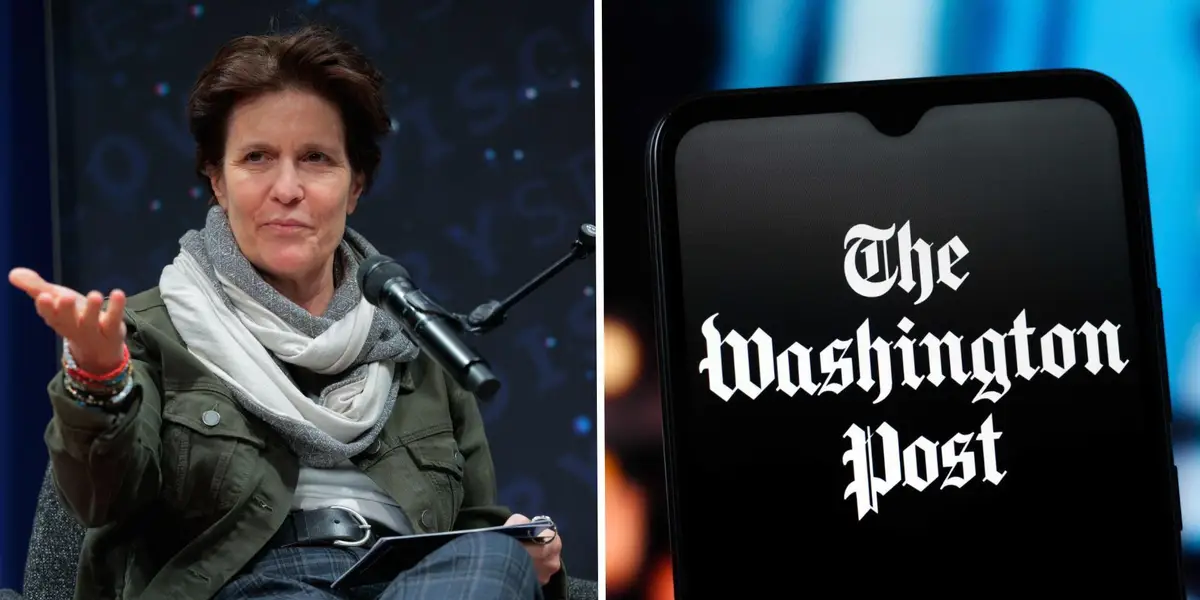
Money is pouring in for workers impacted by Wednesday’s layoffs at The Washington Post.
As of writing, over 1,000 supporters had donated over $130,000 to a GoFundMe page set up for let-go journalists. The outpouring of financial support has dwarfed similar efforts at other newsrooms that experienced layoffs in recent months.
The fundraising push, launched just a few hours after company executives began cutting workers, was set up by Post reporter Rachel Siegel and the newsroom’s union. Its top donor, tech journalist and former Post employee Kara Swisher, gave $10,000.
Swisher, who recently made a push to buy the Post from its billionaire owner, Jeff Bezos, wrote on Threads that she had the means to “donate a decent chunk of dough to these hardworking employees,” and urged others to follow.
Other top donors appeared to be former Washington Post staffers, such as Eugene Robinson and Fred Barbash.
“Post Guild members have come together to support their colleagues with this GoFundMe,” said a spokesperson for the Washington Baltimore News Guild, which represents the paper’s union. The spokesperson blamed “inexcusable business decisions of top Post leadership” for the cuts.
“The Washington Post is taking a number of difficult but decisive actions today for our future, in what amounts to a significant restructuring across the company,” a Post spokesperson said in a statement. “These steps are designed to strengthen our footing and sharpen our focus on delivering the distinctive journalism that sets The Post apart and, most importantly, engages our customers.”
The Post’s layoffs, which its newsroom union said impacted hundreds of workers, were designed to trim costs and refocus its newsroom around a smaller set of coverage areas, executive editor Matt Murray told employees over Zoom on Wednesday morning.
The company is shutting down its podcast, “Post Reports,” and letting go of journalists focused on sports, books, and foreign affairs. It’s restructuring its D.C. metro coverage, and investing in areas like politics and national security that “demonstrate authority, distinctiveness, and impact,” Murray wrote in a memo to staff, viewed by Business Insider.
“Today is about positioning ourselves to become more essential to people’s lives in what has become a more crowded, competitive, and complicated media landscape,” Murray told staffers during the call. “For too long, we’ve operated with a structure that’s too rooted in the days when we were a quasi-monopoly local newspaper.”