
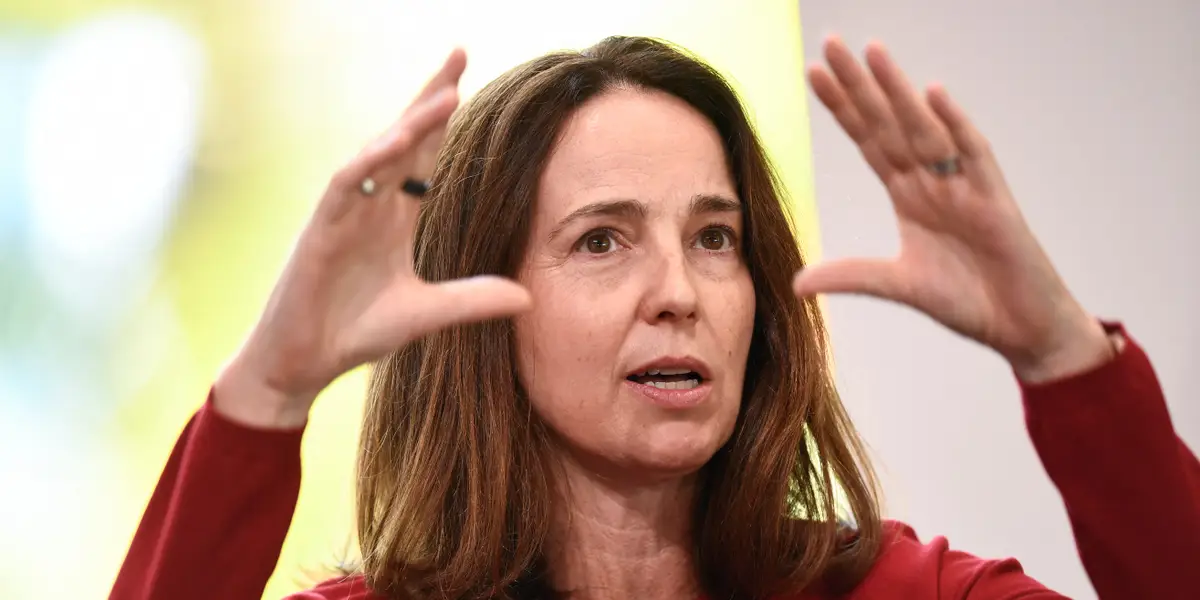
OpenAI is going on all in on “practical adoption” of artificial intelligence in 2026, according to its CFO.
“The priority is closing the gap between what AI now makes possible and how people, companies, and countries are using it day to day,” Sarah Friar wrote in a recent blog post.
“The opportunity is large and immediate, especially in health, science, and enterprise, where better intelligence translates directly into better outcomes,” she added.
There are signs the startup is already taking advantage of these opportunities. Data from Ramp showed that business spending on OpenAI models surged to a record in December, outpacing rivals Anthropic and Google.
Still, some investors and analysts are concerned about OpenAI’s huge financial commitments and whether the startup will generate enough revenue to make a profit in future years. For example, OpenAI has announced roughly $1.4 trillion in infrastructure deals, such as data centers, in the past year or so.
One potential source of new revenue is advertising, something that OpenAI said on Friday it would start testing. CEO Sam Altman once labeled ads a “last resort,” although the move has been expected for months now.
Friar addressed concern about OpenAI’s finances in her recent blog, noting that revenue has grown in sync with compute availability.
OpenAI’s compute expanded from 0.2 gigawatts in 2023 to about 1.9 GW last year. Meanwhile, annualized revenue grew from $2 billion to more than $20 billion in the same period, Friar disclosed.
That represents “never-before-seen growth at such scale,” Friar wrote. “And we firmly believe that more compute in these periods would have led to faster customer adoption and monetization,” she added.
This did little to quell the critics.
On Monday, tech blogger Paul Kedrosky reacted to Friar’s blog post by saying: “Amusing reading from OpenAI CFO bragging that they are successfully selling dollars for $0.70 in huge volume.”

