
Working at OpenAI may look good for your résumé. For your under-eyes? The company’s researchers are not so sure.
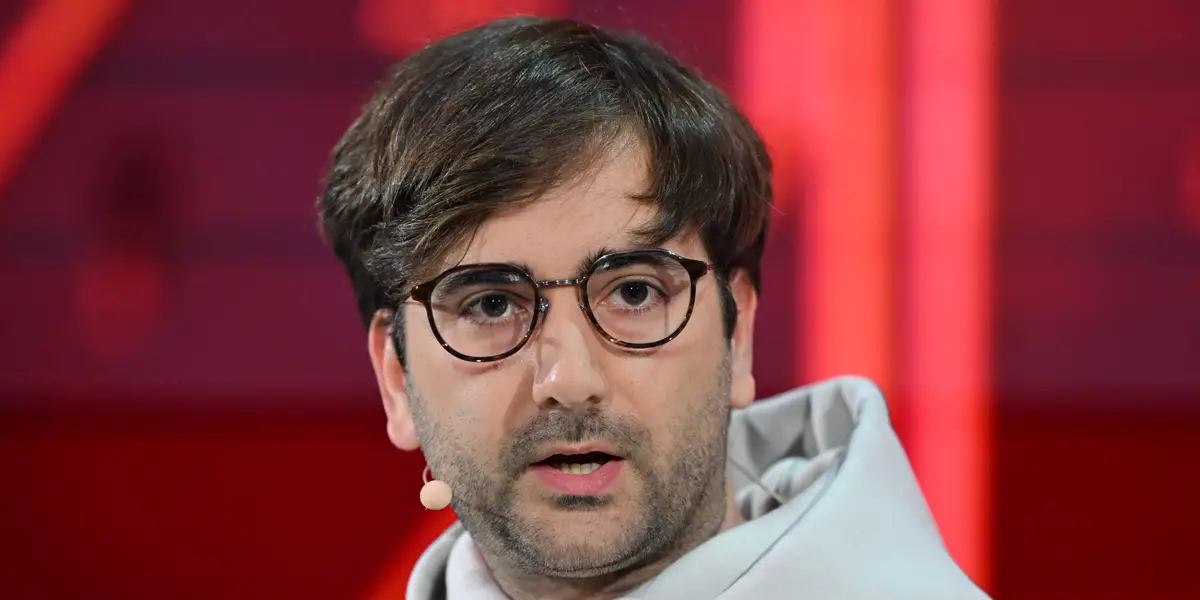
A tongue-in-cheek joke by Thibault Sottiaux, the engineering lead on OpenAI’s Codex, about the AI lab’s breakneck pace has sparked a mini before-and-after trend among colleagues — complete with changed hairstyles and a recommendation for eye patches.
“A few weeks at OpenAI feel like years at other companies in terms of how much gets done,” Sottiaux wrote in an X post on Thursday. “Crazy how much you can age in a few days.”
The post, which has been viewed more than 950,000 times as of Friday morning, followed several days of online jokes about Sottiaux’s appearance in an episode of the “Matthew Berman” podcast on Monday.
X users compared the interview footage with his LinkedIn profile photo. One joked that OpenAI had replaced him with “TIBO-3000” — a fictional robot version of Sottiaux — while others teased that he had not slept in months.
Sottiaux did not exactly shut down the meme. On Tuesday, he polled his 525,500 X followers on whether he needed a haircut, with nearly 75% of roughly 54,000 votes opting for “yes.”
When another user asked why he looked different, he replied: “Hair grows and can (optionally) be cut.”
His colleagues have now joined in.
Kath Korevec, a member of OpenAI’s Codex team, shared side-by-side photos captioned, “Before and after I joined OpenAI.” The newer photo showed her wearing under-eye patches. “Maybe I should gift @thsottiaux some under eye patches,” she said in an X post on Friday.
Jason Liu, another member of OpenAI’s Codex team, posted his own pair of photos, writing on X on Thursday: “these photos were taking before and after i joined openai.”
The posts are clearly tongue-in-cheek, rather than evidence that OpenAI staff are actually morphing into sleep-deprived versions of themselves.
Still, the meme touches on the perception of a high-stress “grindset” mentality in many AI labs, where researchers are trying to outpace rivals, ship products, and build ever more capable models at dizzying speed.
The jokes also reflect a more serious backdrop: the strain that the AI race can place on the people building it.
In July, Thinking Machines Lab cofounder Lilian Weng stepped down after saying the “consistent stress and workload” had pushed her beyond what her health could physically sustain.
Other prominent AI figures, including OpenAI executive Fidji Simo and xAI cofounder Greg Yang, have also recently stepped back from full-time roles while dealing with health issues.