Reupping an H-1B visa used to mean a quick trip abroad. Now it can mean getting stranded.
Google, Apple, Microsoft, and other companies are advising some employees with visas not to travel outside the US because of a new Trump administration policy mandating that consular officers review visa applicants’ social-media posts before issuing visas.
The extra screening is dragging out processing, and some embassies and consulates are canceling or pushing back visa appointments — in some cases by many months — as the backlog grows.
Here’s what to know:
What is an H-1B visa?
An H-1B visa is basically a travel document — the stamp in a worker’s passport that lets them show up at an American airport or border and ask to enter. It’s typically valid for up to three years. But it doesn’t guarantee admission, explained Jason Finkelman, a Texas lawyer focused on family- and work-based immigration.
A Customs and Border Protection officer makes the final call on whether the worker is allowed in and under what immigration status. The officer issues an I-94 record with an “admit until” date, which sets how long the person is allowed to stay.
Because these are separate processes, they don’t always expire at the same time. Someone might have a visa stamp that expires in late 2026 but still have valid status through 2028.
That means a visa holder can continue to live and work legally in the US even after the visa stamp in their passport has expired, as long as their “admit until” date hasn’t passed.
How do H-1B holders get their stamps renewed?
If a visa holder needs a new stamp, they generally have to apply at a US consulate or embassy, typically in their home country. The visa holder books an interview, where a consular officer reviews their documents and asks questions about their job or background.
If all goes smoothly, they get their passport back with a new stamp. The turnaround can range from a few days to weeks, lawyers say, depending on where the application is processed and whether it’s flagged for extra review.
What’s happening now?
Some people who traveled abroad to renew their visa stamps have had their appointments delayed or rescheduled, sometimes with little warning. Until they have that stamp in hand, they can’t board a return flight or show up at the border and expect to be admitted.
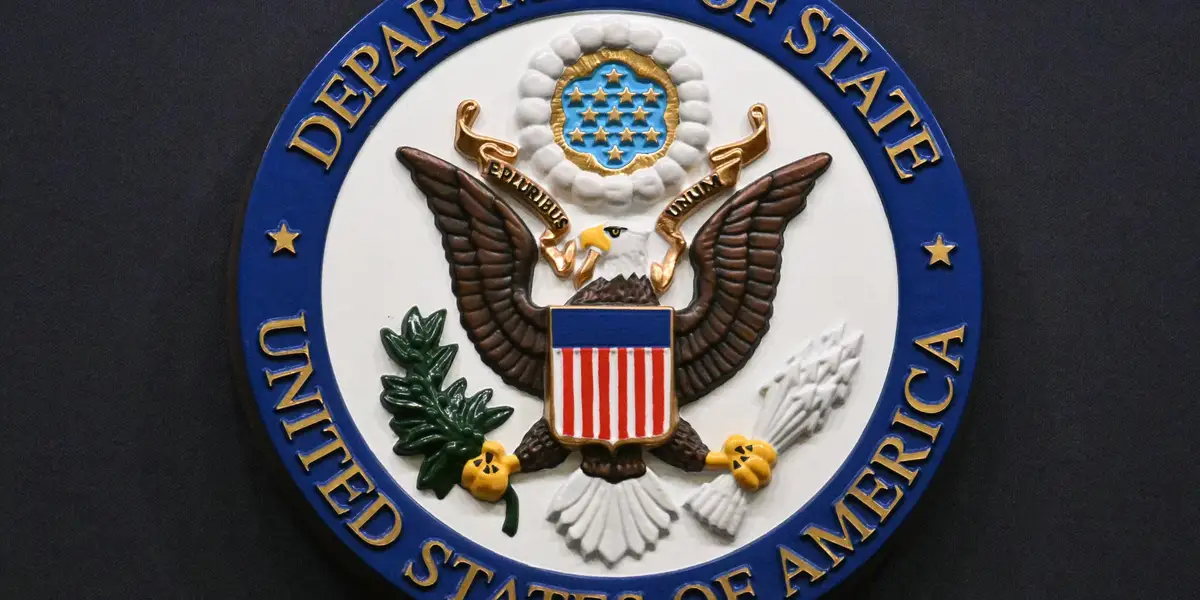
The new social-media screenings are a big part of what’s gumming up the process. Starting December 15, the State Department expanded its “online presence” reviews to all H-1B applicants and their H-4 family members, and instructed applicants to set their social media profiles to public so consular officers can review their activity.
Justin Parsons, a partner at the global immigration law firm BAL, said around 40 or 50 of his clients are unable to return to the US while they wait for visa stamps. He said his clients are experiencing longer delays in Hyderabad and Chennai, India.
A State Department spokesperson told Business Insider on Thursday that the purpose of the reviews is to use “all available tools” to flag applicants who are inadmissible, including those who pose a risk to national interests or intend to engage in activities inconsistent with the terms of their visas.
What does the new social-media screening involve?
What this new screening looks like in practice is still coming into focus. The State Department hasn’t spelled out exactly how consular officers are weighing social media posts, or how long the added reviews might take.
What advice are immigration attorneys giving to visa applicants?
Visa applicants should carefully review their profiles to make sure basic details, like job titles, employers, locations, and timelines, line up with what’s in their visa paperwork, according to lawyers at Duane Morris and Fisher Phillips. Even small discrepancies, they warn, can trigger questions or additional review.
Some firms also caution against scrambling to clean up accounts or deleting posts at the last minute. If an immigration official notices, it could be seen as evasive.
For now, lawyers are urging caution. In some cases, lawyers say, the safest move right now may be not traveling at all.