
Hollywood’s biggest night is going to a streamer.
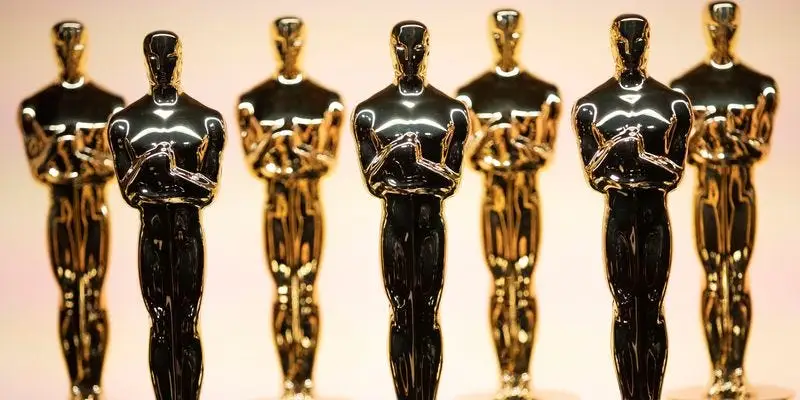
The Academy of Motion Picture Arts and Sciences announced on Wednesday that YouTube will hold the global rights to the Oscars from 2029 through 2033.
While that means they’ll no longer be broadcast on ABC starting in 2029, the Oscars will continue to be available for free worldwide — just on YouTube and YouTube TV. As part of the partnership, red carpet coverage and other behind-the-scenes content from before the award show is also included.
The news comes as streamers like YouTube, Netflix, and Amazon Prime, and others, increasingly compete over live events to host on their respective platforms. Historically, the Oscars are one of the most-watched nights of TV, and in non-presidential election years, it is often the only non-sporting event to chart within the top 100 most-watched telecasts of the year.
“The Oscars are one of our essential cultural institutions, honoring excellence in storytelling and artistry,” YouTube CEO Neal Mohan said in a statement. “Partnering with the Academy to bring this celebration of art and entertainment to viewers all over the world will inspire a new generation of creativity and film lovers while staying true to the Oscars’ storied legacy.”
Disney and ABC will continue to hold the rights to the Oscars through 2028.
Outside of the Oscars, the Google Arts & Culture initiative will provide digital access to select Academy Museum exhibitions and programs, the academy said in a statement.
The agreement was also struck at a time when YouTube has evolved beyond a place people post and watch short clips and amateur videos on mobile and desktop to become a fixture in the living room. The monthly Nielsen Gauge shows YouTube grabbing the top spot in share of TV viewing among media companies for months running, with a 12.9% share in October, ahead of Disney (11.4%) and NBCUniversal (8.6%).
The nature of what people are watching has also changed. The streaming data analysis company Digital i found that videos lasting 30 minutes or more accounted for 73% of total viewing on YouTube in the US in October 2024, up 8% from a year earlier.
YouTube has encouraged this shift, rolling out new tools for creators to incentivize them to make serialized shows that look like what you think of as traditional TV.
YouTube’s living room-domination plans loomed in the background of its recent highly public dispute with Disney over how much it should pay the media company to carry its channels like ESPN and ABC News on YouTube TV. Google recently shared numbers showing YouTube TV was the No. 4 pay-TV service in the US.
Traditional media companies have tried to combat YouTube’s expansion by taking a page from the platform and striking deals with YouTube video creators and podcasters.