
NEWYou can now listen to Fox News articles!
Some of the most hotly contested states in this year’s elections are also footing the nation’s steepest tariff bills, according to an analysis of U.S. Census trade data.
That convergence creates a new economic pressure point at a time when affordability dominates the national midterm debate and the cost of everyday goods remains a top voter concern. Candidates in both parties are campaigning on promises to rein in the cost of groceries, housing and other everyday goods.
All 435 House seats and 33 Senate seats are on the ballot this year, putting Republicans’ slim majorities at risk. Democrats need four seats to reclaim the Senate, while Republicans can afford to lose just two in the House.
US TARIFF REVENUE UP 300% UNDER TRUMP AS SUPREME COURT BATTLE LOOMS
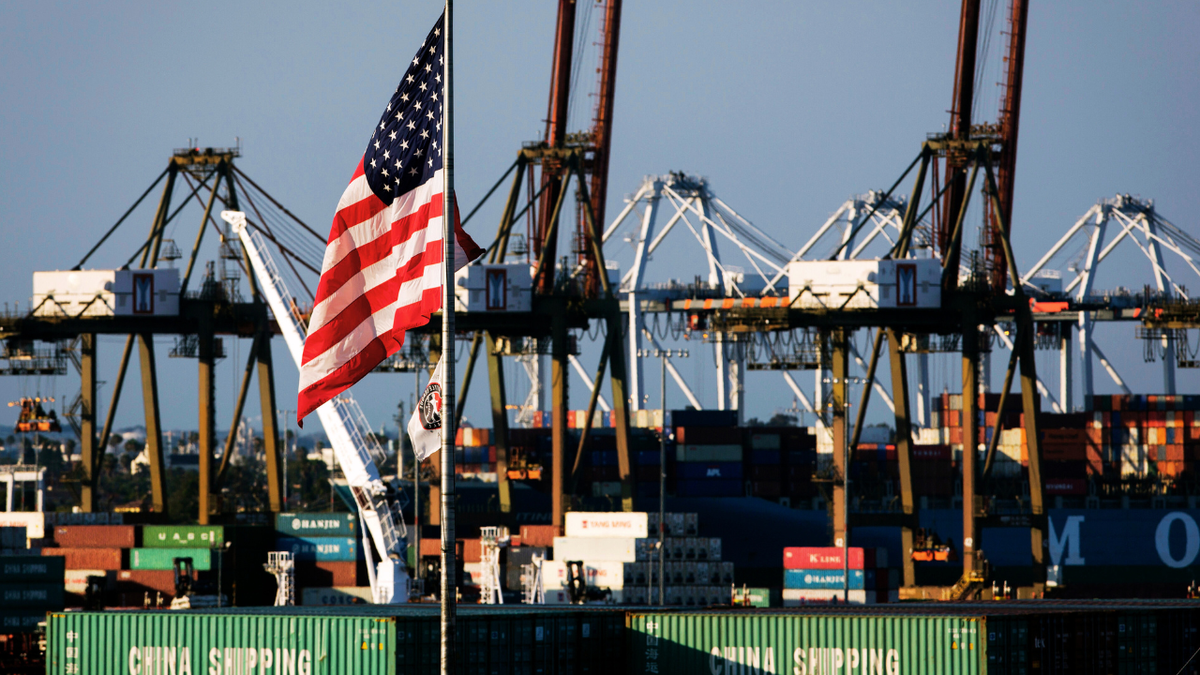
Candidates from both parties have made the economy a central theme of their midterm campaigns. (Patrick T. Fallon/Bloomberg via Getty Images)
Tariffs factor directly into those costs.
Tariffs are taxes the federal government places on imported goods. While American importers pay those duties at the border, economists say businesses often pass the added costs along, raising prices as the expense moves through supply chains.
California and Texas — the nation’s two largest state economies — top the list in tariff totals at $38 billion and $21 billion, driven by the volume of imports flowing through major ports and industrial supply chains.
Among the states with the most consequential Senate races are Georgia and Michigan, both of which carry sizable tariff burdens, underscoring how deeply their economies are intertwined with international trade.
Other states bearing the brunt of hefty tariff bills include Illinois ($9.6 billion), Ohio ($6.5 billion), Pennsylvania ($6.3 billion), North Carolina ($5 billion), South Carolina ($5.2 billion) and Kentucky ($4 billion).
Even as states shoulder billions in tariff costs, collections nationwide have climbed 300% since President Donald Trump’s return to office, significantly boosting federal revenue.
January collections hit $30.4 billion, a 275% jump from a year earlier, pushing fiscal-year revenue to $124 billion, more than triple last year’s pace.
TRUMP CALLS TARIFF WINDFALL ‘SO BEAUTIFUL TO SEE’ AS CASH SAILS IN
The surge in revenue has become a cornerstone of Trump’s economic agenda, with the administration arguing tariffs can fund domestic priorities, chip away at the nation’s $38 trillion debt and finance a proposed $2,000 dividend check for Americans. Trump has promoted the policy as a strategy to revive domestic industry and extract concessions from foreign trading partners.
CLICK HERE TO DOWNLOAD THE FOX NEWS APP
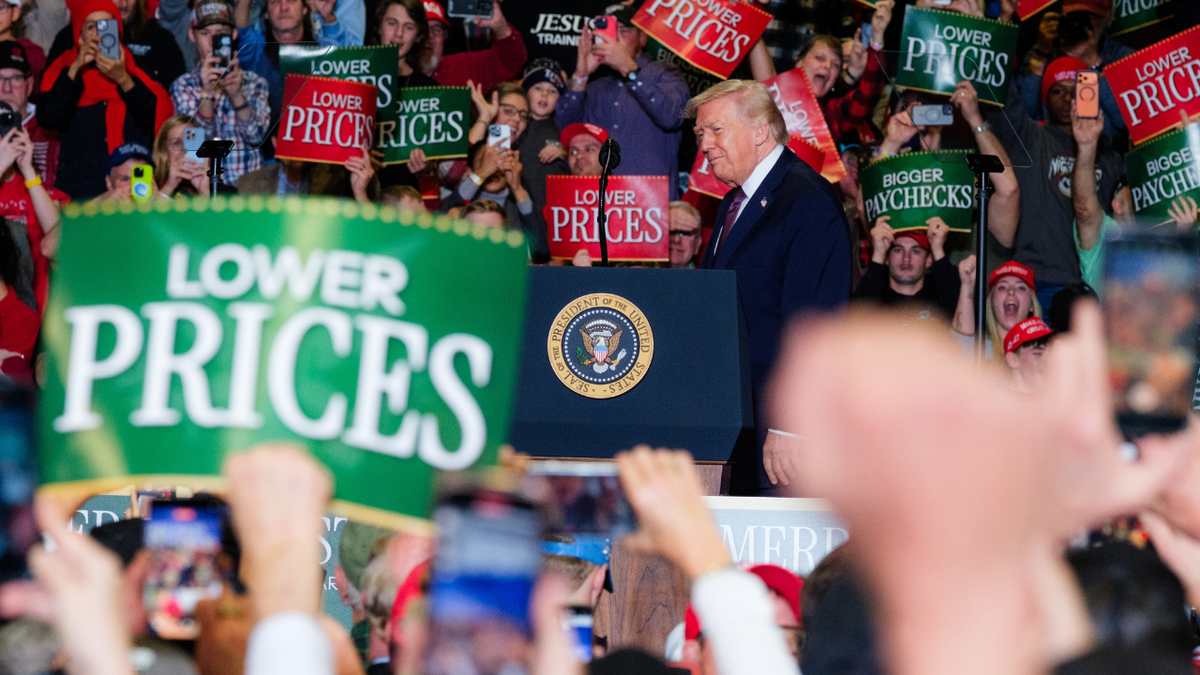
President Donald Trump has traveled around the country to address affordability concerns. (Cornell Watson/Bloomberg/Getty Images)
But the policy faces a pivotal test at the Supreme Court, which has yet to rule on whether the tariffs fall within Trump’s authority. A decision against the government could jeopardize a key source of federal revenue and reshape the administration’s trade strategy.
With billions in revenue at stake and control of Congress hanging in the balance, the court’s ruling could reverberate far beyond Washington.