
Stacy Taffet, Hershey’s chief growth and marketing officer, has already entered her spooky season.
The Reese’s and Jolly Rancher parent is conjuring up a new Halloween playbook, carving the holiday into distinct micro-seasons that start months before October 31, Taffet exclusively told CMO Insider.
A Morning Consult survey commissioned by Hershey in July found that 67% of US parents had bought Halloween candy or snacks during the summer in recent years. Almost half (49%) of parents polled were familiar with the term “Summerween.”
With consumers celebrating Halloween early, CMOs face a challenge in building excitement without peaking too soon.
Taffet said Hershey has shifted from treating Halloween as “one long extended season” to a more occasion-led approach, with different brands and products promoted at different points.
Summer is about cueing the season with Reese’s assorted Halloween shapes and marketing that centers on rituals like pumpkin carving and fall lattes.
“We’ll use more parts of the portfolio that are either for individual consumption or for sharing in small groups as a way to say, ‘Let’s get excited, the season’s coming,'” Taffet said.
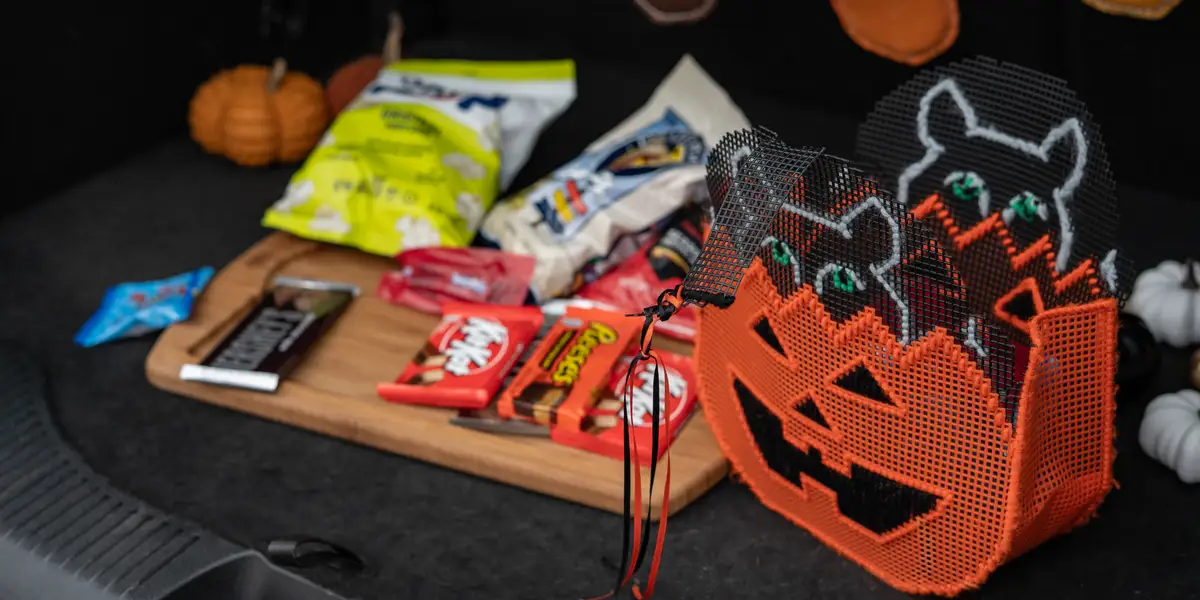
As fall approaches, Hershey plans to lean into the “trunk or treating” trend, where families gather in parking lots for children to collect candy from car trunks.
When October nears, activity will ramp up, including a partnership with Amazon to deliver ready-to-go large trick-or-treat bowls and a bigger push for non-chocolate brands, such as its Pirate’s Booty salty snacks.
Halloween is a high-stakes moment for Hershey. Last year, Hershey CEO Kirk Tanner said its Halloween sales performance had been disappointing, citing warmer weather among other factors. Retailers were also discounting candy at the time, following price hikes driven by higher cocoa prices.
Tanner said on last October’s earnings call that there were opportunities to “go to school” on consumer insights to improve for Halloween 2026, such as evaluating new pack types, price points, and the product mix.
Behind the scenes, Taffet, who joined the company in April 2025, has been reconfiguring her department to handle moments like these.
“The biggest thing I’ve been focused on is really breaking down functional silos,” so the company can more quickly react to consumer trends, Taffet said.
Within the growth office, the marketing, insights, innovation, and research and development teams now function together.
Hershey recently introduced a new marketing mix model — a method that determines the impact of individual marketing channels on sales — enabled by AI.
Taffet said AI and automation tools are making it easier for Hershey to flag celebrities and influencers who are already talking about its brands and reach out about potential partnerships. It has also deployed AI tools to its retail sales force to strengthen merchandising.
“Our retail team will go to a store manager and, using an augmented reality tool and analytics powered by AI, say, ‘If you put the KitKat display over here by the checkout, your sales are going to go up by X%,'” Taffet said.
Taffet said Hershey is also aware that many people are financially stretched, and is introducing new product formats at lower prices.
“If they only have $20 to spend on getting their kid excited about Halloween, it could be a costume, it could be decorations, it could be Reese’s Shapes, and we want to make sure that we’re top of mind to delight people in that season,” she said.