
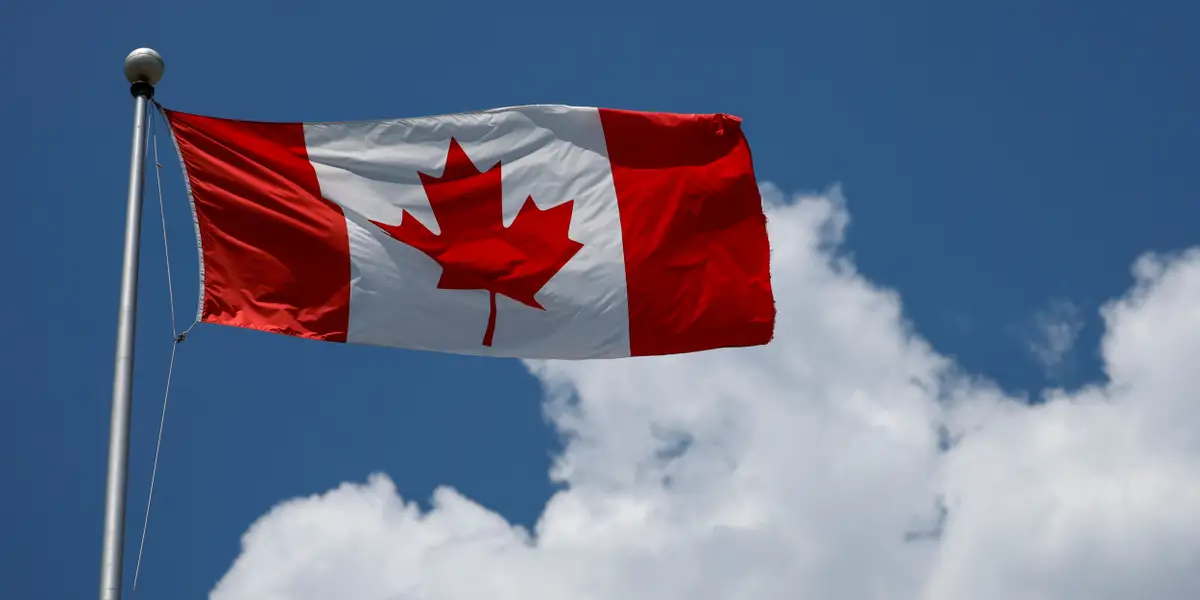
Canadians have long been boycotting American goods. Then came the latest wave of tariffs.
Trade talks between the US and Canada fell apart on Friday, and the US enforced a 50% tariff on some Canadian goods the following day. Canadian Prime Minister Mark Carney quickly proposed dollar-for-dollar counter-tariffs.
Many Canadians were already fed up with their neighbors down south. Some previously chose to stop buying American products; others suspended their travel to America.
On social media and in interviews with Business Insider, Canadians say that the breakdown in talks has reinvigorated their push to stop buying US goods.
A national rallying cry
Carney quickly worked to turn the tariffs into a unifying force.
“Canada has what the world wants,” he wrote on Friday night. “We will not allow any nation to determine our future. We will set our own course to keep Canada strong for all.”
It’s hard to know whether the messaging works, though there are some signs. Eurasia Group founder Ian Bremmer wrote on X that he had never seen Canadians from all political viewpoints “so angry” with the US.
Time to launch a full blown no holds barred boycott of American products and services. Trump wants a fight, let’s bring it.
Who’s with me?
— Bruce Anderson (@bruceanderson) August 23, 2026
Tyler Black keeps hearing about it. The 49-year-old child psychiatrist told Business Insider that, if you went for a walk in his hometown of Vancouver, there was a 50/50 chance you’d hear about the tariffs.
“I’m not kidding,” he said. “Random conversations I’m walking by are talking about Trump and Carney, and what America just did. We’re feeling very attacked.”
Black is one of many Canadians who say they have boycotted American goods since President Donald Trump’s reelection. Over the weekend, more people were pledging to join the boycott, he said. “It’s what we’re all talking about.”
On X, users are reviving the #BoycottUSA tag. Redditors posted infographics about supporting “Buy Canadian” during the tariffs, and Europeans wondered if they should join in. TikToks cheering on retaliatory tariffs got thousands of likes.
Economic boycotts rarely have a material effect on the business or businesses in the crosshairs. Still, there are some cases, like the Target boycott movement. And a boycott can ruffle feathers. In July, the White House called Canada’s treatment of US products “discriminatory.”
🇨🇦Canada is asking the rest of the world to join us in boycotting all American products. Thank You ❤️
— Lucy 🇨🇦 (@TheBlueGem3) August 23, 2026
‘It will renew the boycott for a lot of people’
Trump has been in office for over a year, and he’s spoken frequently about annexing Canada. That’s a long time to swear off US goods.
There are some signs of the anti-US sentiment going strong, like soccer fans booing the American national anthem. There are other signs of a bottoming out, like travel data between Canada and the US.
Tyler said he hoped the tariffs would reverse that travel trend.
“I have no doubt that it’s going to fall back down again,” he said. “I think Canadians are going to take this very patriotically.”
Despite our political differences:
Don’t buy American. Buy Canadian
Don’t buy from stores who make that difficult.
Be united in resistance to Trump
Call out the treacherousThis is our moment to show the world who we are
— Cheri DiNovo (@CheriDiNovo) August 22, 2026
Tina Garrett, a 45-year-old writer from Toronto, has also been boycotting since long before the tariffs went into effect. Still, she saw signs that the recent news would reinvigorate the movement.
“Some people got a little lazy with it,” she said. “I think it will renew the boycott for a lot of people.”