
“Congratulations on graduating, Andrea, now you’re off the payroll,” my dad not-so-jokingly declared on the steps of the Milwaukee convention center outside Marquette University.
I barely had time to take off my cap and gown before they dropped me off in Chicago so I could start my first job at an advertising agency the next week.
My parents generously paid most of my college tuition. At 22, I was grateful to be left with only a modest student loan balance. But I didn’t think he was completely serious. Surely, they’d help me if I ever got into financial trouble.
I was convinced I’d never need it anyway. I was steadfast in my desire to succeed. Plus, my parents gave my brothers and me a masterclass in work ethic. Between my dad’s career in global supply chain and my mom’s years as a Catholic school teacher, they modeled how a responsible adult operates.
We took affordable vacations to go hiking or visit my grandparents. Eating out was a rare treat, usually at a local restaurant where they knew the owners.
While they were great financial role models, I still made some mistakes.
I overextended myself financially just three months out of college
One day, my roommate dropped the mail on our dilapidated coffee table as I lounged on the couch after work. I was eating takeout sushi I couldn’t afford. I knew my starting salary wasn’t high at $27,500, but that’s what young professionals in my industry made back in 2001.
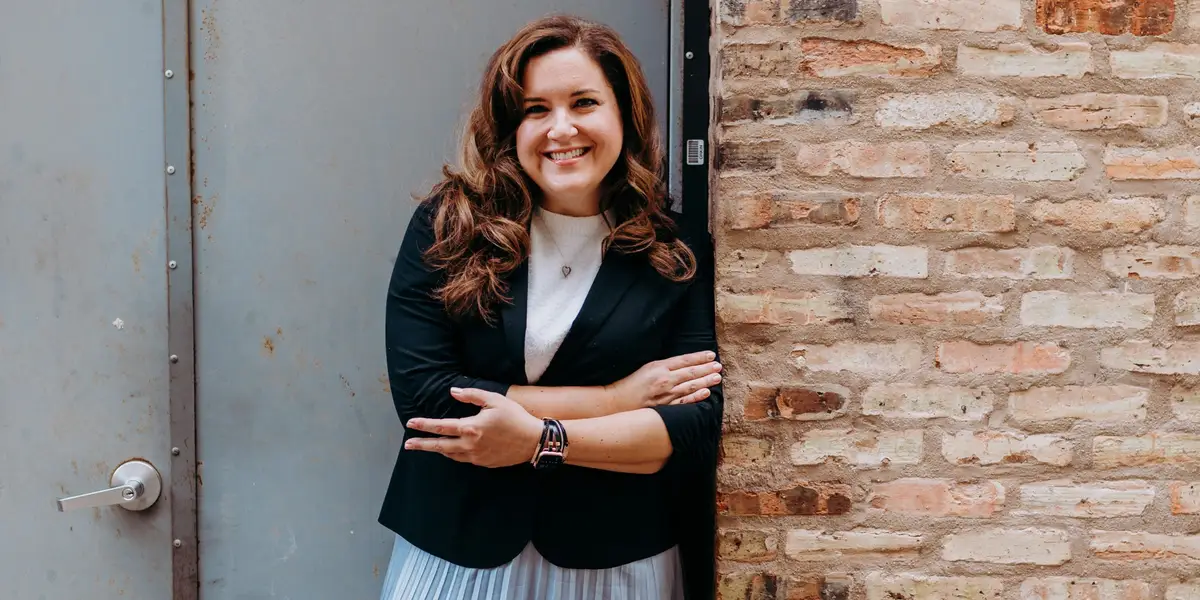
Courtesy of Andrea Javor.
I didn’t have a car and took advantage of work perks like boxing half my meal to eat for dinner after a business lunch. I mostly spent money on what I considered the essentials — booze, weekend cigarettes, dinner out, lipstick, and tops to wear to the bars.
I opened the credit card statement, scanned it, and immediately panicked. Right there in bold black and white, an undeniable ledger stared me down. I owed over $900 (the equivalent of $1,700 today), which, at the time, felt like much, much more.
I asked my parents to bail me out of debt
I wrote down my actual expenses and realized I didn’t even have an extra dollar to put toward the monthly payment my credit card was now demanding.
My roommate agreed that my only logical course of action was to beg for a bailout. She psyched me up with a shot of tequila and a smack on the butt before I closed the door to my bedroom and called my parents. I thought they would be mad, then help me all the same.
“Dad, I need money,” I pleaded over the phone. I imagined him on the landline in Cleveland, trying to enjoy a quiet dinner with my mom.
He replied without emotion, “I’m going to give you the biggest favor of your life.”
“What?” I eagerly awaited his response, assuming he’d send a check or wire some cash.
I heard him exhale — and then he hung up.
Horrified, I called back, and my mom answered. She confirmed we didn’t get disconnected. She firmly said, “I’m sticking with your father,” and then hung up.
I probably called back six times before imagining they unplugged the phone. I squatted on the floor in my bedroom amid a bright pink going-out top and crumpled boxes of Marlboro Lights, realizing I was completely on my own to clean up my money mess.
Getting back to zero debt took a year of compromise
It was a constant struggle, but I diligently made choices to get out of the red.
I invested in a cheap coffee maker and ditched my morning latte. I stretched my haircut an extra two months, rubbing olive oil on my split ends.
When my friends wanted to go out, I became the queen of the pre-game, convincing them we could drink at home for cheap and take the train or walk instead of a cab. If we did go, I nursed a single $4 draft beer all night and kicked my smoking habit (at least partially).
All the while, I took on more projects at work and eventually got promoted with a salary increase.
The credit card debt had interest that compounded each month, yet I continued paying it down until I received a final statement confirming a zero balance.
The hidden wealth was in the lessons I learned
I realized I hated the ambient anxiety that comes with spending beyond my means.
My parents’ firm stance forced me to realize I had the resourcefulness to survive my own bad decisions. Knowing there was no safety net underneath my poor choices motivated me to eventually earn the lifestyle I wanted.
Today, when my friends talk about shielding their own college-aged kids from these harsh realities, I tell them: Let them struggle. Then hang up the phone.
That dial tone held the best financial advice I ever received.